
The Role of Architecture in Community Life

Updated: May 21, 2025

In Arlington Heights, architecture is more than just aesthetics—it plays an integral role in creating spaces that foster connection, culture, and civic pride. Here’s how various types of architectural developments have shaped the community:
🏫 Educational Architecture as a Foundation
Arlington Heights is home to Districts 25, 214, and several private schools, many of which have been designed or renovated by forward-thinking architects to meet 21st-century educational needs.
Features of Local School Architecture:
Flexible classrooms for collaborative learning
Natural lighting and open floor plans to promote well-being
Security-conscious layouts that maintain a welcoming environment
Green technologies, such as energy-efficient systems and rainwater collection
These innovations ensure that students grow in environments that support their physical and intellectual development.
🎭 Cultural Venues and Architectural Expression
Buildings like the Metropolis Performing Arts Centre and Arlington Heights Memorial Library demonstrate how design can elevate public life.

Metropolis Performing Arts Centre:
Offers a modern yet intimate space for theatre and music
Integrates with the urban fabric of downtown Arlington Heights
Promotes walkability and nightlife culture through clever urban placement

Memorial Library:
A model of inclusive and adaptive design
Features community rooms, tech hubs, and child-friendly zones
Serves as a civic anchor, uniting residents across age groups and interests
🌳 Public Parks and Plazas as Architectural Landscapes
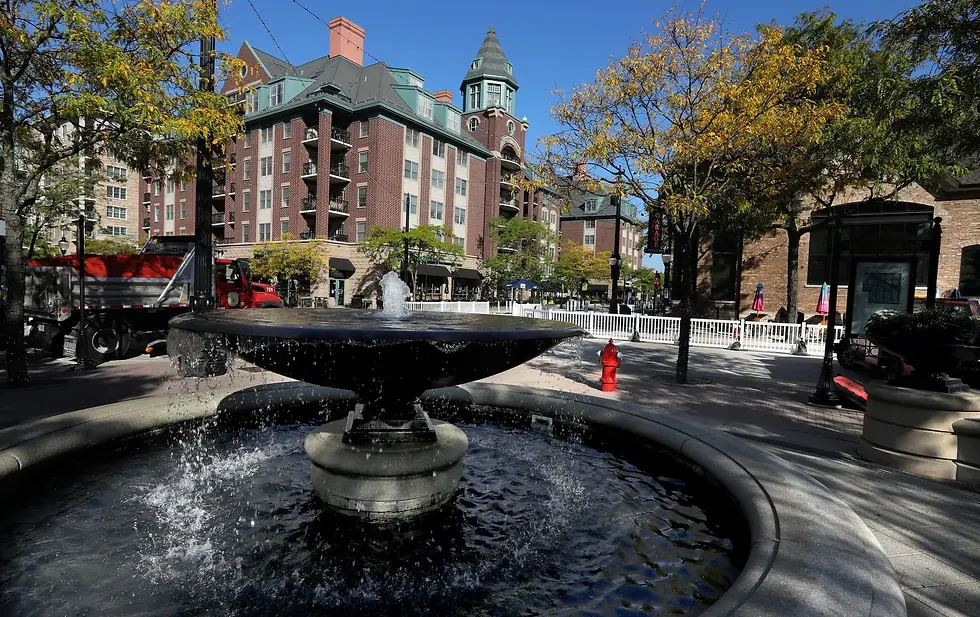
Even outdoor spaces in Arlington Heights reflect a level of architectural consideration. Places like Harmony Park and North School Park combine hardscaping, public art, and natural elements in ways that promote community gathering and visual interest.
Design Elements Include:
Sculptures and seasonal displays (e.g., fountains, holiday lights)
Open-air pavilions for performances
Sustainable landscaping and stormwater-conscious design

🛠️ Residential Architecture: Evolving with the Community
While public architecture often grabs attention, residential development remains the backbone of Arlington Heights. The community features an evolving mix of:
Historic homes preserved through local ordinances
Mid-century houses modernized for contemporary families
New custom builds reflecting transitional and craftsman-inspired styles
Condominium and townhome complexes are designed for density without sacrificing charm
This mixture of housing types supports a diverse population, including young professionals, families, and retirees, all while maintaining visual harmony through zoning and design standards.
📐 The Future of Architecture in Arlington Heights
As Arlington Heights continues to grow, especially with interest in redeveloping the former Arlington Park site, the architectural future looks dynamic and opportunity-rich.
Upcoming Trends and Possibilities:
Transit-Oriented Development (TOD): Around train stations and major routes
Mixed-use buildings combining residential, retail, and green spaces
Smart, sustainable infrastructure using renewable energy and passive design
Cultural and recreational expansions tied to possible entertainment or stadium development
Any future growth will need to balance community character with innovation, and it will depend on collaboration between architects, planners, and residents.

🎇 Final Thoughts
Arlington Heights is a place where architecture quietly but powerfully shapes everyday life. From charming Victorian houses to modern civic hubs and green public spaces, the village’s architectural landscape is a testament to thoughtful design, historical appreciation, and forward-looking development.
It may not host the world’s tallest towers, but it offers something more enduring: a sense of place, purpose, and pride—all built brick by brick, beam by beam.
Comments