
🏛️ Architectural Landmarks in Arlington Heights, IL


Arlington Heights blends historic charm with modern development, offering several architectural sites that highlight the village's heritage, civic pride, and cultural growth.
1. Arlington Heights Historical Museum
Location: 110 W Fremont St
Style: Queen Anne, Folk Victorian
Description: This campus includes several historic buildings, such as the 1882 Müller House and Coach House, home of a local soda water manufacturer. These structures showcase late 19th-century Victorian residential architecture and are preserved to educate visitors about the village’s history.
2. Metropolis Performing Arts Centre
Location: 111 W Campbell St
Style: Modern with Classical Influences
Description: A prominent cultural venue with sleek, modern architecture. The Metropolis is not just an arts hub but also contributes significantly to the revitalization of downtown Arlington Heights, combining functionality with aesthetic appeal.
3. Arlington Park (Historical)
Location: 2200 W Euclid Ave (Closed in 2021)
Style: Modernist with Art Deco elements
Description: Formerly one of the most iconic horse racing tracks in the U.S., Arlington Park was known for its elegant grandstands and distinctive architecture. Even though the park closed in 2021, its legacy and architectural significance remain part of the town’s identity.

4. Arlington Heights Memorial Library
Location: 500 N Dunton Ave
Style: Contemporary Institutional
Description: Recognized as one of the best public libraries in the U.S., this building combines modern architecture with innovative interior design. Its use of natural light, clean lines, and community-focused spaces makes it a civic landmark.

5. First United Methodist Church
Location: 1903 E Euclid Ave
Style: Gothic Revival
Description: This church, with its tall spire and stone façade, is a fine example of Gothic Revival architecture in a suburban setting. It adds both historical and spiritual depth to the local architectural landscape.
6. St. James Catholic Church
Location: 831 N Arlington Heights Rd
Style: Romanesque Revival
Description: Featuring rounded arches, a bell tower, and intricate stonework, this church is a cornerstone of the Catholic community and a visual landmark.

7. North School Park
Location: 410 N Arlington Heights Rd
Style: Urban Park with Sculptural Elements
Description: While not a traditional building, North School Park is a well-designed public space that blends landscaping, sculptures, and architectural features like fountains and plazas. The seasonal displays, especially during the winter holidays, are admired for their thoughtful layout and artistic presentation.
8. Vail Avenue Historic District
Location: Centered around Vail Ave and Campbell St
Style: Mixed Residential and Commercial Historic Styles
Description: This area showcases early 20th-century architecture, including Craftsman bungalows, Colonial Revival homes, and historic commercial storefronts. Many of these buildings have been carefully preserved or renovated to maintain their original charm while supporting modern businesses.

9. Arlington Heights Village Hall
Location: 33 S Arlington Heights Rd
Style: Contemporary Civic Architecture
Description: The Village Hall serves as the governmental heart of Arlington Heights. Its sleek modern design emphasizes accessibility and transparency, using glass and steel to create a professional yet inviting space for civic engagement.
10. Luther Village
Location: 1250 Village Dr
Style: Traditional American with Modern Retirement Community Features
Description: This large senior living community is designed with a village-like feel. Its architecture is subdued but deliberate, blending traditional residential aesthetics with accessibility features that enhance quality of life for its residents.
11. Windsor School (Historic Building)
Location: 1315 E Miner St
Style: Mid-Century Modern
Description: Originally built in the 1950s, Windsor School reflects mid-century modern educational design, emphasizing open space, large windows, and functional layout—a reflection of the post-war architectural trends in suburban school construction.
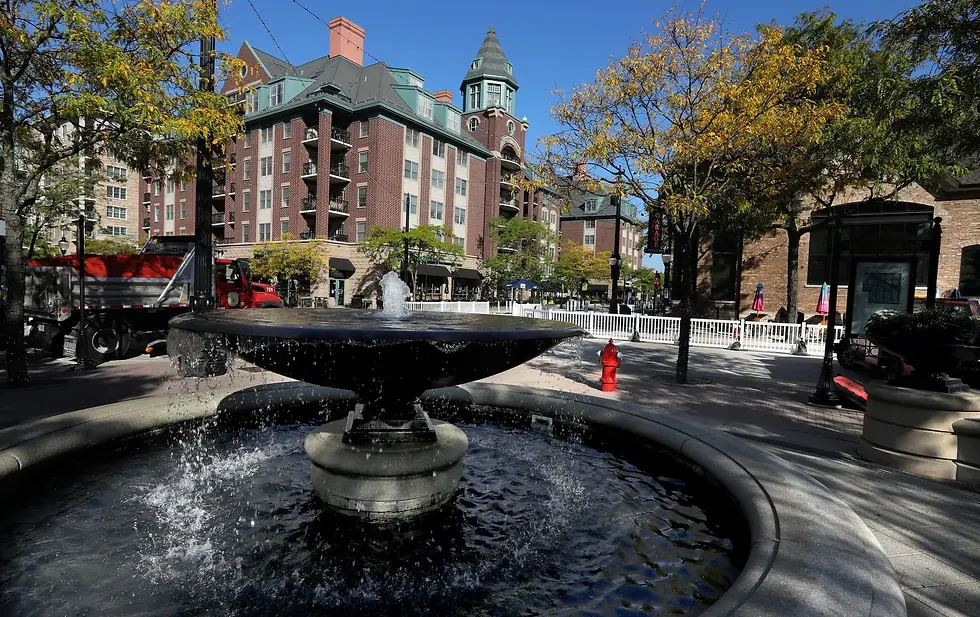
12. Downtown Arlington Heights Redevelopment
Location: Around Vail Ave, Campbell St, and Evergreen Ave
Style: Mixed-Use Urban Planning
Description: The downtown area has undergone major revitalization since the 1990s. It features a blend of modern mid-rise buildings, residential lofts, and classic storefronts, all unified with pedestrian-friendly design, outdoor dining spaces, and a cohesive urban aesthetic.
These landmarks show the range of Arlington Heights’ architectural character, from its 19th-century roots to its 21st-century developments. The village is not only a reflection of evolving design trends but also a model of how a suburban community can preserve its history while embracing growth.
13. Arlington Heights Train Station
Location: 45 W Northwest Hwy
Style: Traditional with Modern Renovations
Description: A central transit hub, the Arlington Heights Metra Station serves both commuters and visitors. The building features a classic pitched roof and brick façade, while modern upgrades ensure comfort and accessibility. The station contributes to the village’s walkable downtown and connects Arlington Heights to Chicago and beyond.
14. St. Peter Lutheran Church and School
Location: 111 W Olive St
Style: Gothic Revival with Modern Additions
Description: One of the oldest congregations in the area, St. Peter’s original church structure is a fine example of Gothic Revival design. Its tall steeple, pointed arches, and stained-glass windows create a sense of timeless beauty. Later additions have seamlessly blended traditional and contemporary elements.
15. Our Lady of the Wayside Catholic Church
Location: 434 W Park St
Style: Mid-20th Century Ecclesiastical Architecture
Description: Constructed during the suburban boom of the 1950s and 60s, this church has a distinctive modernist style with clean lines and geometric windows. The design reflects the changing liturgical trends of the mid-century era, emphasizing openness and light.
16. The Arlington Theatre (Historic, no longer active)
Location: Formerly near downtown
Style: Art Deco
Description: Though now closed or repurposed, the Arlington Theatre was once a local landmark. Built in the early 20th century, its Art Deco façade and interior made it a beloved destination for entertainment and community gatherings. It remains an important part of local architectural memory.
17. Harmony Park
Location: Vail Ave & Campbell St
Style: Contemporary Outdoor Pavilion and Public Plaza
Description: A modern urban park with an open-air performance pavilion, sleek seating, and landscaped surroundings. Harmony Park is not only a social and cultural gathering space but also an example of thoughtful, small-scale urban design that integrates well with the surrounding architecture.

🏙️ Conclusion:
A Blend of Heritage and Progress
Arlington Heights offers a diverse architectural landscape—from historic Victorian homes and Gothic churches to sleek civic buildings and vibrant public spaces. The village has managed to preserve its historical roots while embracing growth and innovation. Each landmark tells a story of the people, values, and aesthetic choices that have shaped this dynamic suburban community over time.
Whether you’re a history buff, an architecture enthusiast, or a curious visitor, Arlington Heights provides a rich tapestry of structures that reflect both past and present.

Comments