
A Brief History of Architecture in Arlington Heights, IL

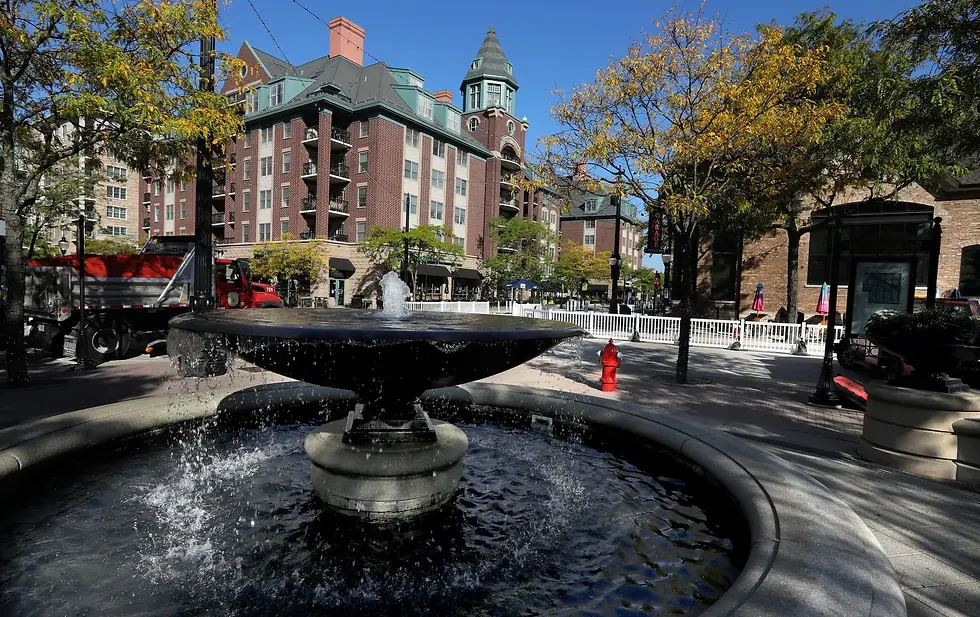
Arlington Heights, Illinois, located about 25 miles northwest of Chicago, has a rich architectural history that reflects its evolution from a rural farming community to a bustling suburban village.
19th Century – Agricultural Roots and Early Structures
Originally settled in the 1830s, Arlington Heights began as a farming community known as Dunton. Early architecture was modest and functional, consisting of wood-frame farmhouses, barns, and simple commercial buildings. The arrival of the railroad in the 1850s transformed the village, encouraging the construction of more formal structures, including Victorian-style homes and brick commercial buildings in the late 1800s.
Early 20th Century – Growth and Suburban Identity
In the early 1900s, Arlington Heights began to grow as a commuter suburb of Chicago. Residential architecture from this period includes American Foursquares, Craftsman bungalows, and Colonial Revival homes. Public architecture, such as schools and the library, took on more institutional forms, often built in brick with classical detailing.
Post-War Boom – Mid-Century Modern Suburbia
After World War II, Arlington Heights experienced a dramatic population increase. Large-scale residential development led to the rise of ranch-style houses, split-levels, and other suburban typologies. This era also saw the expansion of shopping centers, schools, and churches, many reflecting Mid-Century Modern design principles.
Late 20th Century to Present – Diversification and Revitalization
In recent decades, the village has embraced mixed-use development and downtown revitalization. Newer architecture includes contemporary condominiums, townhomes, and commercial buildings, often incorporating traditional materials like brick to harmonize with older structures. The downtown area has been transformed into a pedestrian-friendly district, blending historic preservation with modern amenities.
Today, Arlington Heights offers a diverse architectural landscape that reflects its historical development, suburban character, and ongoing growth.
Architectural Preservation and Community Identity
In the late 20th and early 21st centuries, the Village of Arlington Heights began to place a stronger emphasis on preserving its architectural heritage. Local efforts led to the documentation and maintenance of historic buildings, especially in the downtown area. The Arlington Heights Historical Society has played a significant role in these preservation initiatives, operating a campus that includes restored structures like the 1882 Müller House and the Banta House, which showcase late 19th-century domestic architecture.

Downtown Redevelopment and Transit-Oriented Design
A key turning point in the village’s architectural evolution came with the downtown redevelopment plan initiated in the 1990s. The goal was to create a vibrant, walkable urban center while retaining the village's charm. This led to a wave of mixed-use buildings featuring ground-floor retail with residential units above. Architectural styles in these developments often blend traditional materials like stone and brick with contemporary design features such as large windows, balconies, and open layouts.
The village’s proximity to the Metra rail line further encouraged transit-oriented development (TOD). New apartment complexes and townhomes near the station were designed to attract commuters and foster a more urban lifestyle within a suburban setting.
Institutional and Cultural Architecture
Public buildings in Arlington Heights reflect a range of architectural trends. The Arlington Heights Memorial Library, a key civic structure, has been expanded and modernized over the years, now offering contemporary design and technology-focused amenities while maintaining a welcoming, community-centered atmosphere.
Contemporary Trends and Sustainable Design
In recent years, new developments in Arlington Heights have increasingly focused on sustainability and environmental design. LEED-certified buildings, energy-efficient homes, and green infrastructure have begun to shape the next chapter of the village’s architectural story. Additionally, adaptive reuse of older buildings has become more common, reflecting both environmental priorities and a desire to retain historical character.
Neighborhood Character and Architectural Diversity
One of the defining features of Arlington Heights is the architectural diversity found within its many residential neighborhoods. Areas like Scarsdale, developed in the early to mid-20th century, showcase a rich mix of Tudor Revival, Colonial Revival, and Cape Cod-style homes, often situated on winding streets with mature trees. These homes were built with an emphasis on craftsmanship and detail, contributing to the area's historic charm and strong sense of place.
In contrast, neighborhoods developed during the post-war era, such as those surrounding Thomas Middle School or near Arlington Heights Road, feature more standardized housing stock, including ranches, split-levels, and raised ranches. These homes reflect the efficient, family-oriented planning principles of the time, with open floor plans, attached garages, and larger lot sizes that catered to the needs of the growing baby boom generation.
More recent developments, particularly those from the 1990s and 2000s, have introduced larger single-family homes and townhouses with eclectic architectural styles. These often incorporate elements of traditional design, such as gabled roofs and brick facades, while adding modern amenities and layouts suited for contemporary living.

Architectural Landmarks and Points of Interest
Beyond residential areas, Arlington Heights is home to some notable buildings and landmarks that reflect its architectural evolution. The Metropolis Performing Arts Centre, for example, combines modern design with traditional downtown aesthetics and serves as a cultural anchor for the village. Likewise, the Arlington Heights Village Hall, constructed in a classic civic style with brick and limestone detailing, reinforces the community’s identity and sense of stability.
Faith-Based and Educational Architecture
The village's many churches and schools also contribute significantly to its architectural fabric. Churches such as St. James Catholic Church and First Presbyterian Church offer examples of Gothic Revival and other ecclesiastical styles, often serving as both spiritual and architectural landmarks. School buildings, while typically more utilitarian in form, have evolved to include more contemporary features in recent years, such as improved natural lighting, flexible classroom spaces, and energy-efficient design elements.
Looking Ahead: The Future of Architecture in Arlington Heights
As Arlington Heights continues to evolve, the future of its architecture will likely be shaped by changing demographics, housing needs, and environmental considerations. The redevelopment of major sites, such as the former Arlington International Racecourse, will offer opportunities for innovative, large-scale urban planning. Proposals have included mixed-use developments, entertainment venues, and even a potential professional sports stadium, all of which would introduce new architectural typologies and significantly influence the village's built environment.
In addition, continued interest in walkability, sustainability, and community-centered design is expected to guide future projects. These priorities suggest a future where Arlington Heights builds upon its historic roots while embracing new architectural ideas that promote quality of life, resilience, and connectivity.
In Summary
The architectural history of Arlington Heights is a layered narrative that encompasses rural simplicity, suburban expansion, historic preservation, and forward-looking urban planning. Each era has left its imprint on the village’s streetscapes, from Victorian farmhouses and Craftsman bungalows to modern apartments and civic buildings. Together, they form a cohesive yet dynamic architectural identity—one that reflects the community’s values, aspirations, and enduring sense of place.


Comments